Travel Health
Antimalarials, motion sickness and jet lag treatments, plus travel health advice from UK-registered pharmacists before every trip.
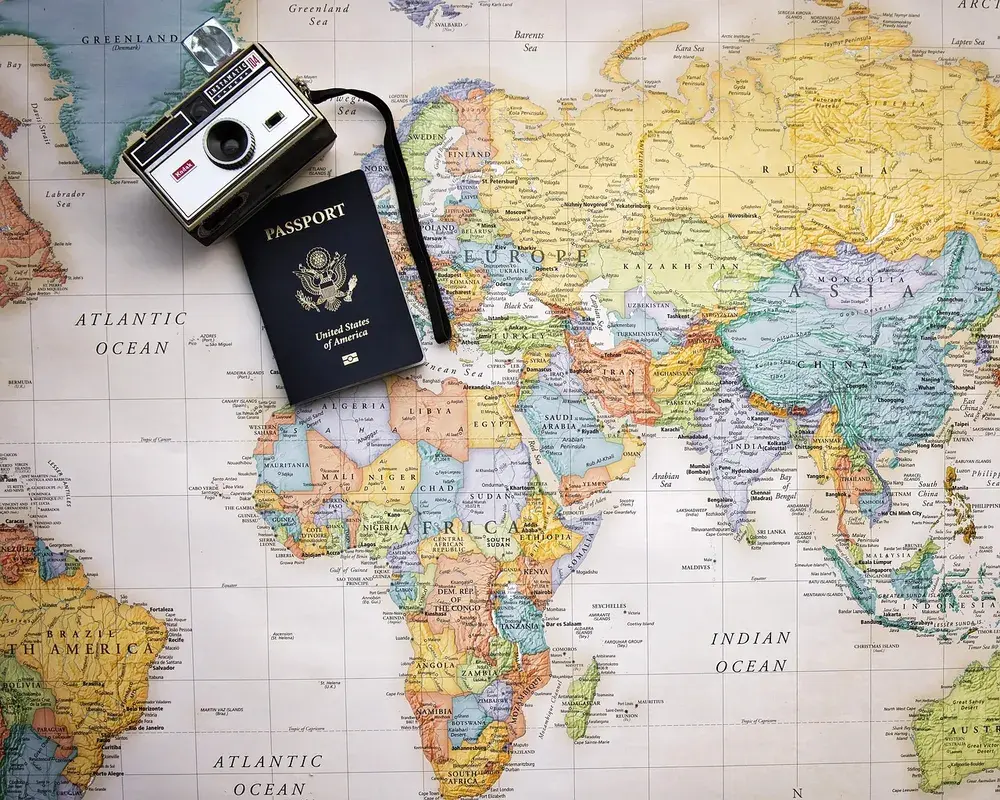
Conditions in Travel Health
4 conditions available
Jet Lag
Treatments to help manage jet lag symptoms.
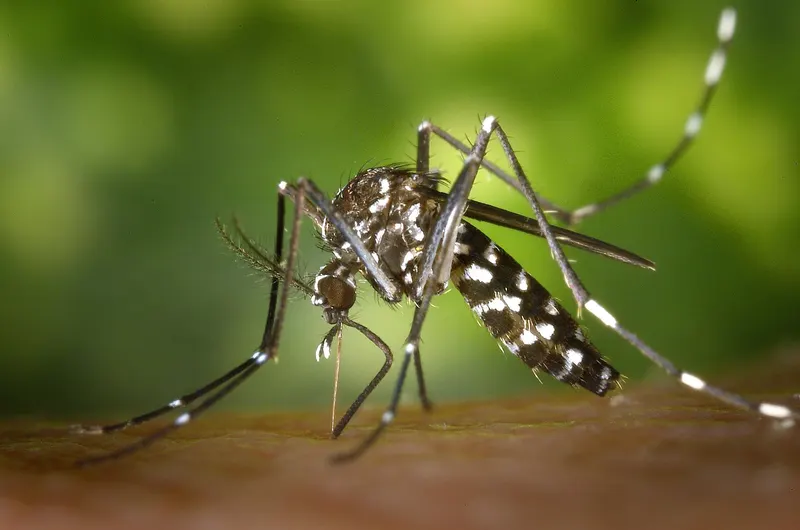
Malaria
Antimalarial tablets for travel protection.

Motion Sickness
Treatments to prevent and relieve travel sickness.
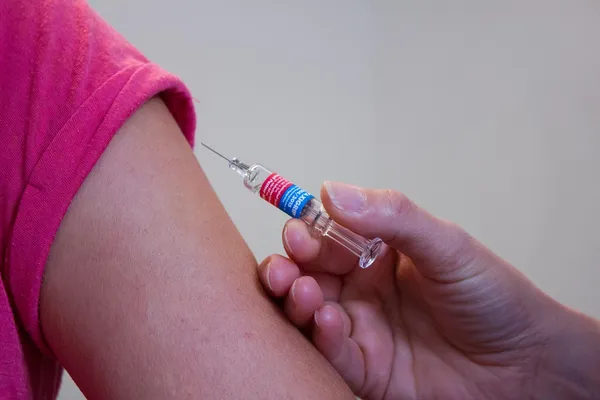
Travel Health Advice and Medications
Comprehensive travel health consultations and vaccinations.
Available treatments
Avomine
Avomine tablets contain promethazine teoclate for motion sickness and travel-related nausea. Read about taking them and precautions.
View treatmentAzithromycin & Doxycycline
The Azithromycin & Doxycycline treatment pack combines two antibiotics for mycoplasma genitalium. Read about the course and precautions.
View treatmentDoxycycline for Malaria
Doxycycline is a tetracycline antibiotic used to prevent malaria in high-risk regions. It is a versatile medication that works by inhibiting the spread of the malaria parasite, allowing your immune system to destroy the infection before it takes hold.
View treatmentKwells
Kwells tablets are an effective solution for preventing and alleviating motion sickness. Each 300mcg tablet contains hyoscine hydrobromide, an active ingredient that combats symptoms like nausea and dizziness caused by travel.
View treatmentMalarone
Malarone is a widely used antimalarial medication designed to protect against malaria, including infections caused by the deadly Plasmodium falciparum parasite. Available in a 100mg/250mg tablet form, Malarone contains two active ingredients: proguanil hydrochloride and atovaquone. These work together to stop the malaria parasite from multiplying and prevent it from infecting the liver.
View treatmentMelatonin
Melatonin, also sold under the brand name Circadin, is a prescription medication designed to treat short-term sleep issues, including insomnia and jet lag. Available in 2mg and 3mg tablets, it is a synthetic version of the natural hormone melatonin, helps regulate the body’s sleep-wake cycle.
View treatmentAbout our travel health service
Good travel health starts weeks before you fly. Our travel consultations cover antimalarial tablets matched to your destination and itinerary, treatments to prevent motion sickness and ease jet lag, and general advice on staying well abroad. Because the right antimalarial depends on where you're going, how long you're staying and your medical history, the questionnaire asks for those details so the pharmacist can prescribe a course that fits your trip rather than a one-size-fits-all option.
Travel vaccinations are given in person at our Nottingham clinic, and it's worth booking six to eight weeks before departure so that courses needing more than one dose can be completed in time. Order anything time-critical early: most antimalarial courses need to begin before you travel, and delivery is by tracked post to a UK address rather than to your destination.
It also helps to think beyond medicines. Check the entry requirements for each country on your route, including proof of any vaccinations, and pack enough of your regular prescription medicines for the whole trip plus a few days' margin, kept in their original packaging. If you have a long-term condition, tell the pharmacist during your consultation so any interaction between your usual medicines and a travel treatment can be checked before you go.
What happens next
- 1
Pick your condition. Choose a condition above to read about it and see the treatment routes available.
- 2
Complete a short consultation. Answer a confidential questionnaire written for that condition. It usually takes five to ten minutes.
- 3
Pharmacist review and delivery. A GPhC-registered pharmacist prescriber reviews your answers. If treatment is suitable it's dispensed and sent in plain packaging by tracked delivery; if it isn't, you won't be charged and we'll explain why.
You can also read more about how it works, how we keep you safe or the clinical team behind every decision.