Hair Loss
While often hereditary, hair loss can also be triggered by stress, hormonal imbalance, or medical conditions. Effective treatments are available to slow, stop, or reverse the process.
Medically reviewed by Muhammad Abdul Jalil, Superintendent Pharmacist · GPhC Reg No: 2236161
Last reviewed
Overview
Male and female pattern hair loss is the most common type of hair loss and is caused by a combination of genetics and hormones. It typically presents as a receding hairline or thinning on the crown in men.
Understanding Hair Loss
DHT (dihydrotestosterone) gradually weakens hair follicles, resulting in thinner strands and slower regrowth. Other forms of alopecia can occur due to autoimmune or lifestyle factors.
Treatment & Prevention
Treatment options include: Finasteride: a daily tablet that reduces DHT levels. Minoxidil: topical solution that stimulates hair growth. Results typically take 3–6 months.
Select Your Treatment
Choose a treatment below then start your consultation. Our pharmacist will review and approve.
 Scalp solution
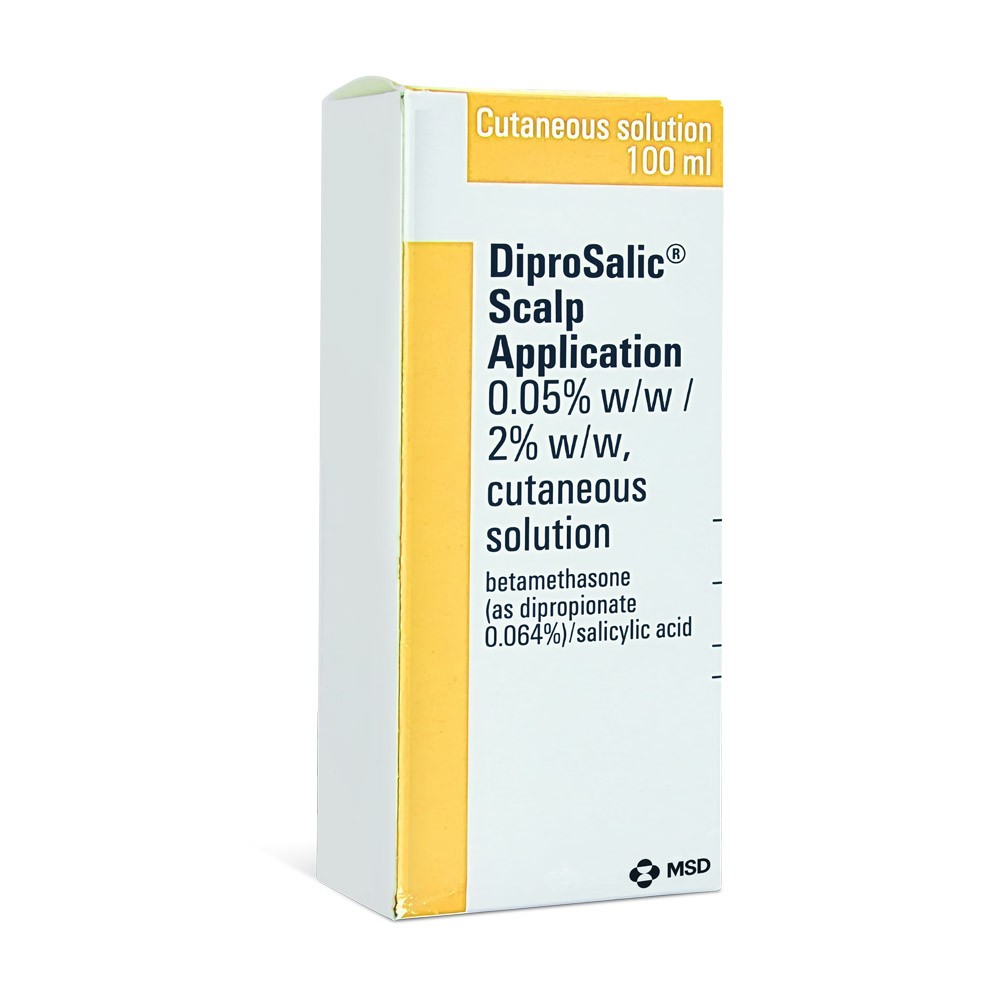 Scalp solution
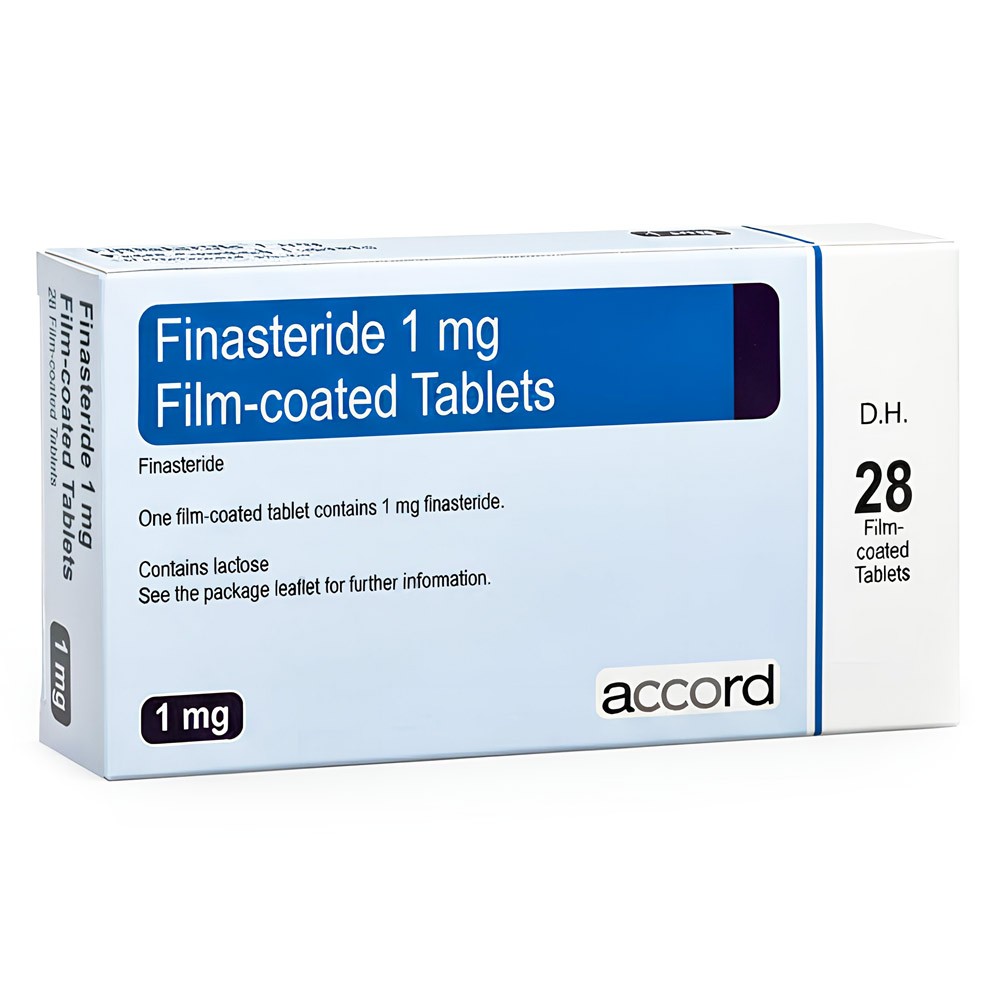 Tablet
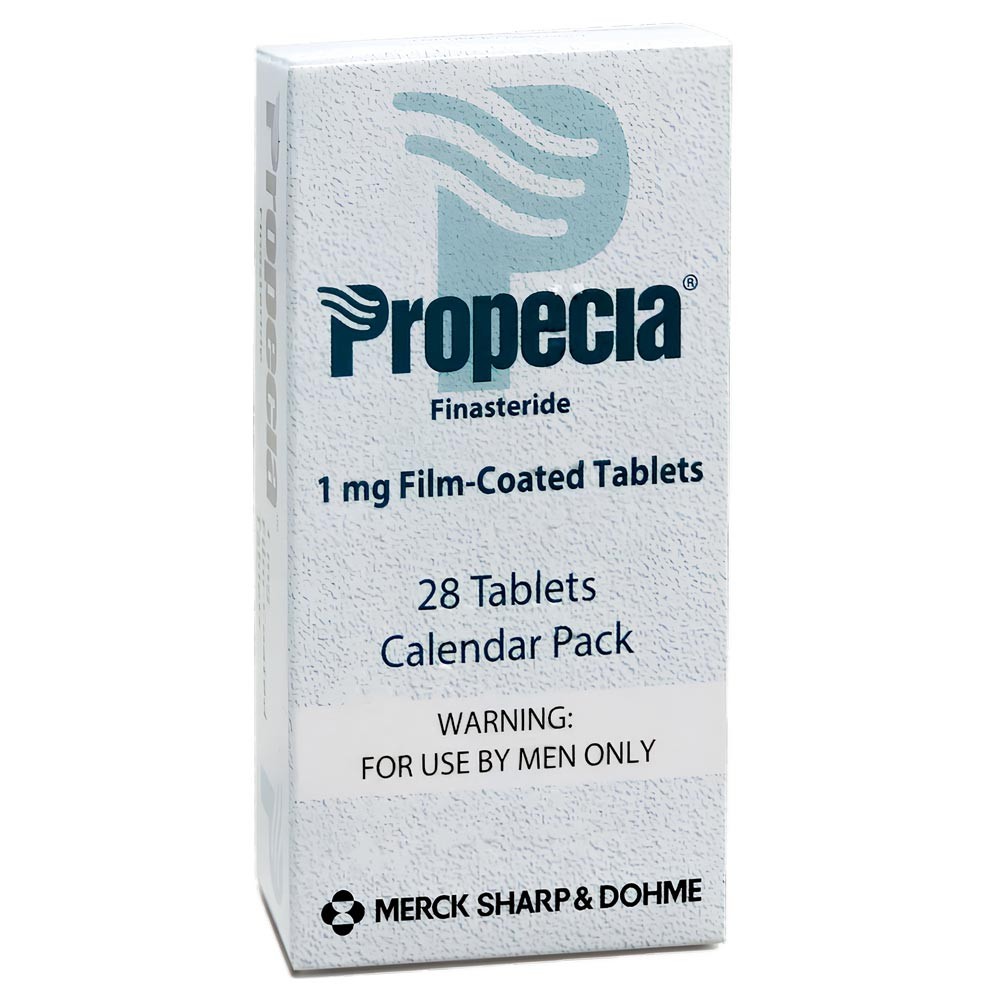 Tablet
Not sure which treatment is right for you? Our pharmacist will review your answers and may recommend an alternative based on your health profile. You're not committed until approved.
Frequently Asked Questions
Common questions about hair loss and available treatments.
Related guides
Reviewed by our pharmacy team before publication.
- Finasteride results timeline: 3, 6 and 12 months
What to expect from finasteride month by month: when shedding settles, when regrowth shows, and how to judge progress at 3, 6 and 12 months.
- Hair loss: myths vs what the evidence says
Baldness from your mother's side? Hats and washing to blame? The common hair loss myths, and the two treatments the evidence actually supports.