Incontinence
Although common, urinary incontinence can significantly impact confidence and daily activities. Fortunately, with the right treatment, exercises, and lifestyle adjustments, most individuals can effectively manage symptoms and regain bladder control.

Medically reviewed by Muhammad Abdul Jalil, Superintendent Pharmacist · GPhC Reg No: 2236161
Last reviewed
Overview
Urinary incontinence is the unintentional passing of urine. It is a common problem affecting millions of people. There are several types, including stress incontinence and urge incontinence (overactive bladder).
Understanding Incontinence
It can affect both men and women and may arise due to weakened pelvic floor muscles, hormonal changes, or medical conditions such as diabetes or neurological disorders. Types include: Stress incontinence: leakage during physical activity, coughing, laughing, or sneezing.
Treatment & Prevention
Treatment depends on the type and severity. Options include: Prescription medications: Oxybutynin, Vesicare, and Detrusitol help relax bladder muscles and increase storage capacity.
Select Your Treatment
Choose a treatment below then start your consultation. Our pharmacist will review and approve.
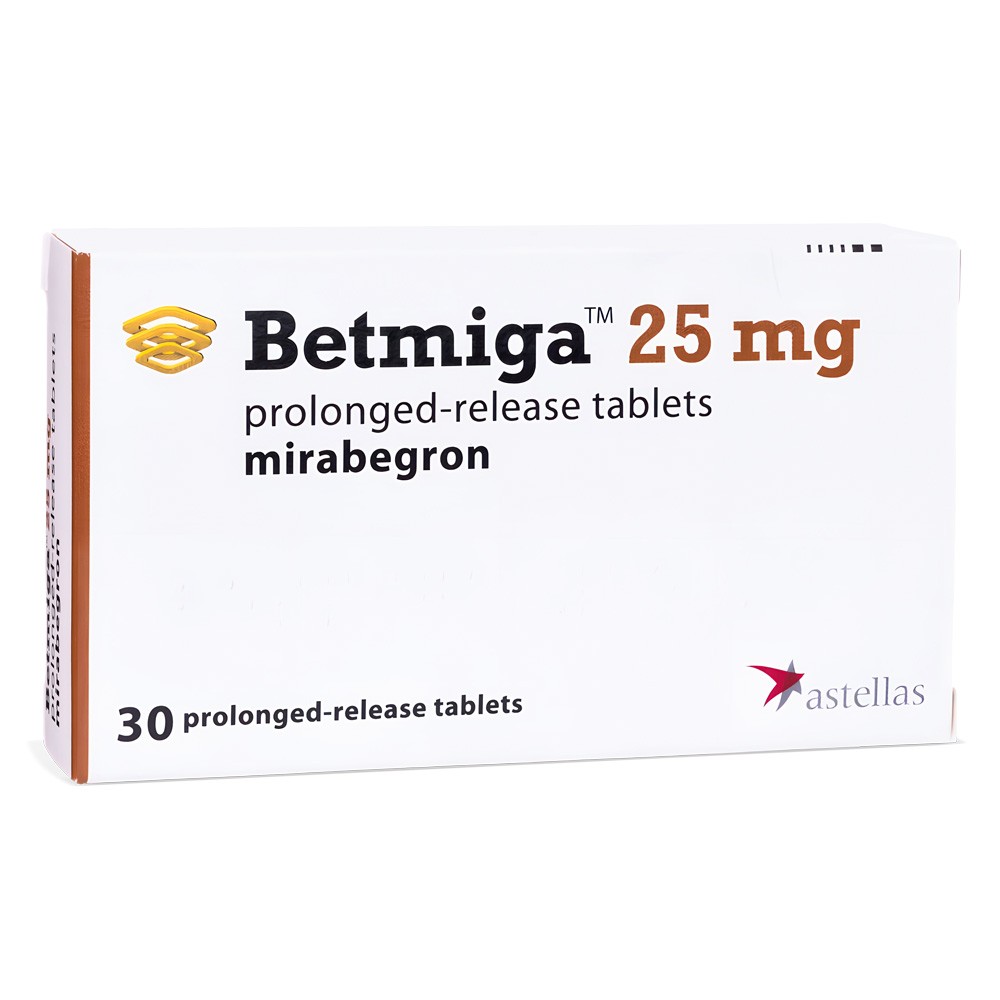 Tablet
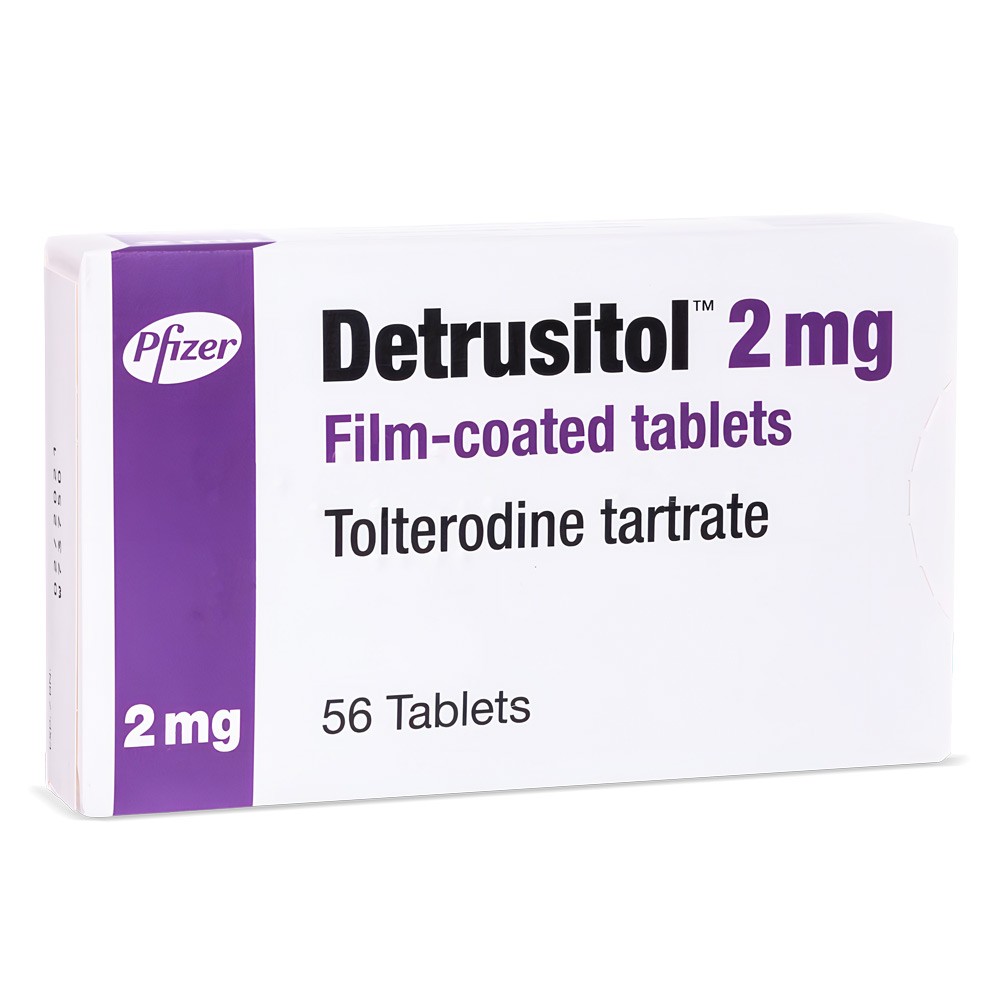 Capsule
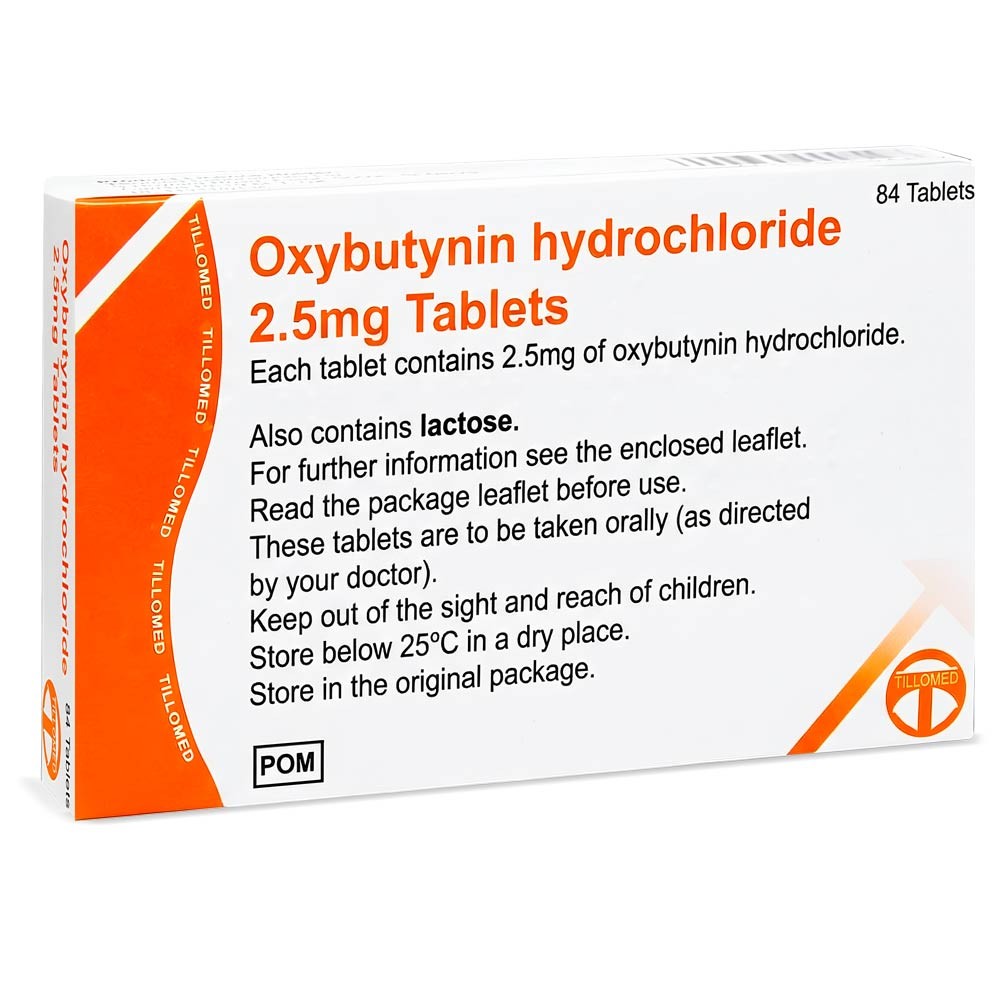 Tablet
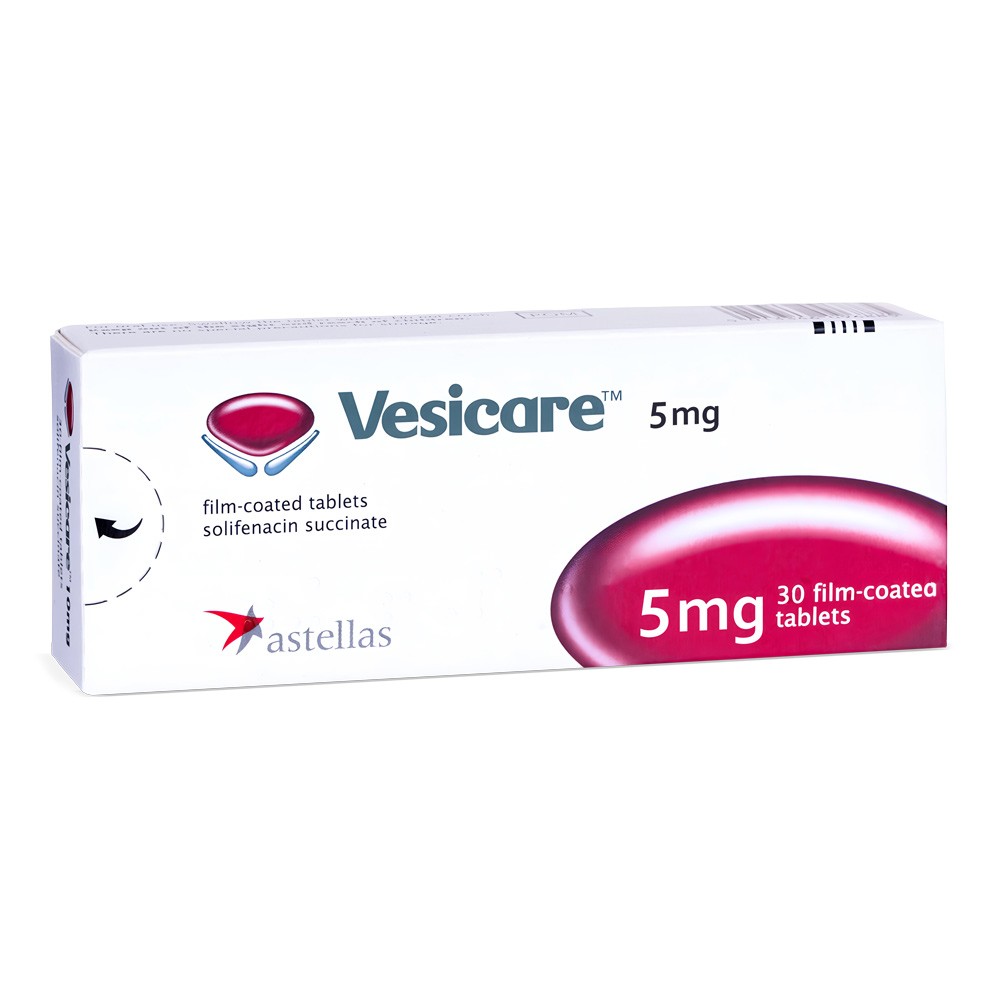 Tablet
Not sure which treatment is right for you? Our pharmacist will review your answers and may recommend an alternative based on your health profile. You're not committed until approved.
Frequently Asked Questions
Common questions about incontinence and available treatments.
Related guides
Reviewed by our pharmacy team before publication.