Bacterial Vaginosis
It develops when the natural balance of bacteria in the vagina is disrupted, allowing harmful bacteria to multiply. While some women may not experience any symptoms, others notice discomfort, unusual discharge, or a distinct odour.

Medically reviewed by Muhammad Abdul Jalil, Superintendent Pharmacist · GPhC Reg No: 2236161
Last reviewed
Overview
Bacterial vaginosis is a common vaginal condition caused by an imbalance of naturally occurring bacteria. It can cause unusual discharge, a fishy odour, and discomfort, though some women have no symptoms at all.
Understanding Bacterial Vaginosis
Though BV is not a sexually transmitted infection (STI), it's more common among sexually active women and those using intrauterine devices (IUDs). Common causes and triggers include: over-cleaning or douching, using scented soaps or vaginal sprays, frequent sexual activity or new sexual partners, smoking or poor hygiene, and weakened immune system. Typical symptoms: thin, watery discharge (grey or white), noticeable 'fishy' vaginal odour especially after intercourse, itching or burning when urinating, and occasionally mild irritation. Around half of all BV cases are asymptomatic.
Treatment & Prevention
Our experts may recommend: Metronidazole tablets or gel: kills harmful bacteria, usually taken for 5–7 days. Dalacin (clindamycin) cream: antibiotic cream applied directly inside the vagina. Good outcomes depend on correct use, monitoring and follow-up when needed.
Select Your Treatment
Choose a treatment below then start your consultation. Our pharmacist will review and approve.
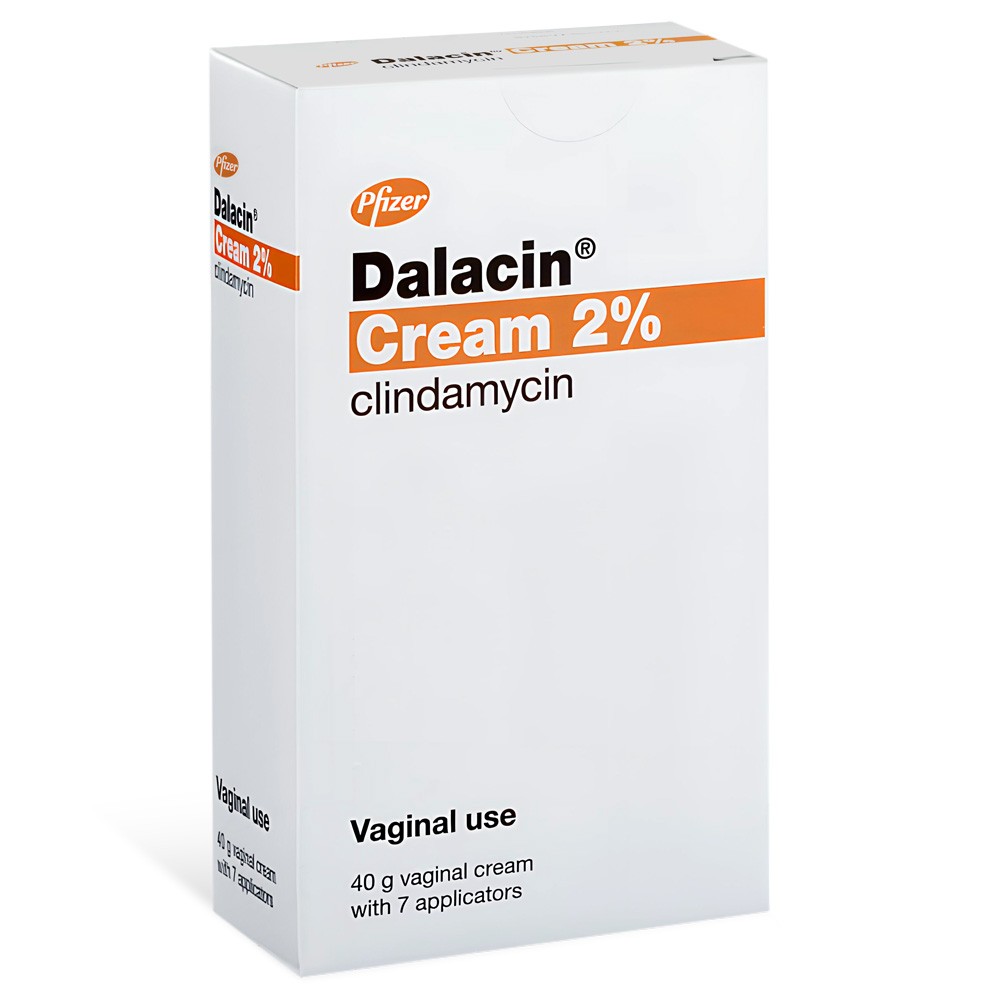 Vaginal cream
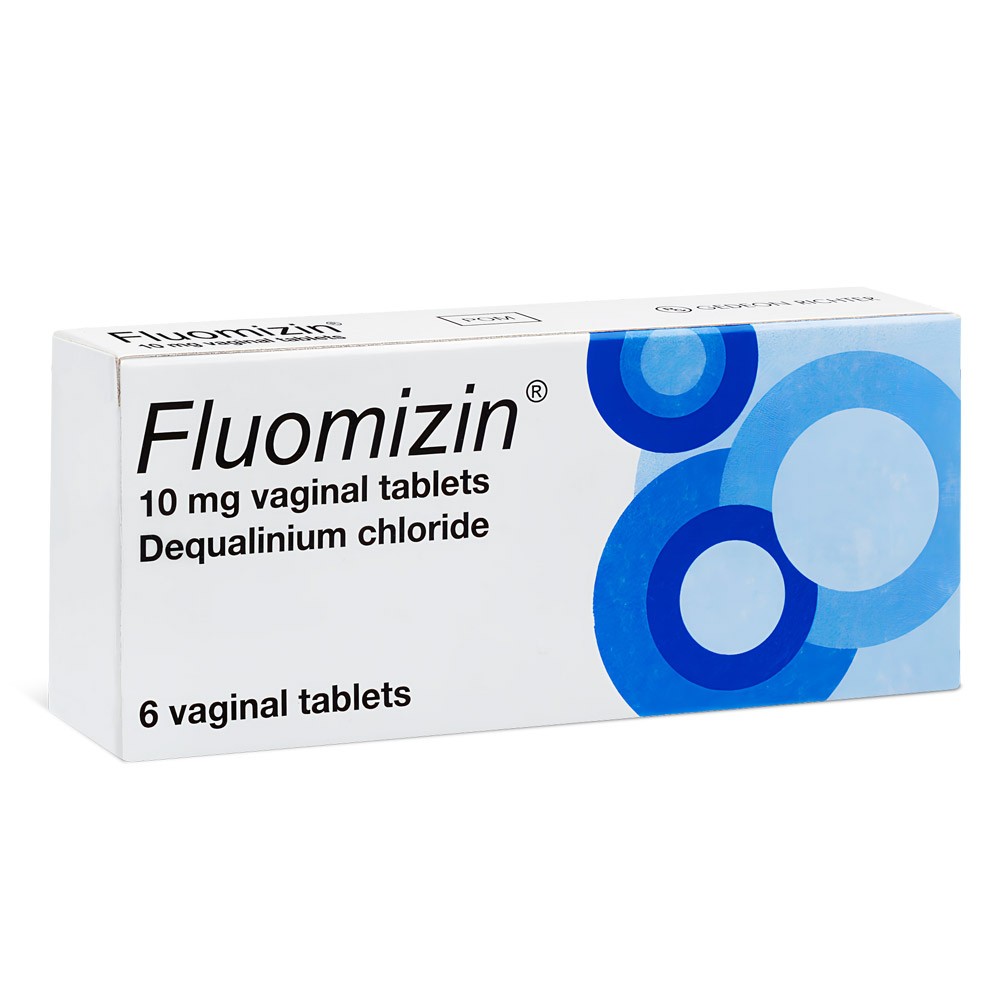 Vaginal tablet
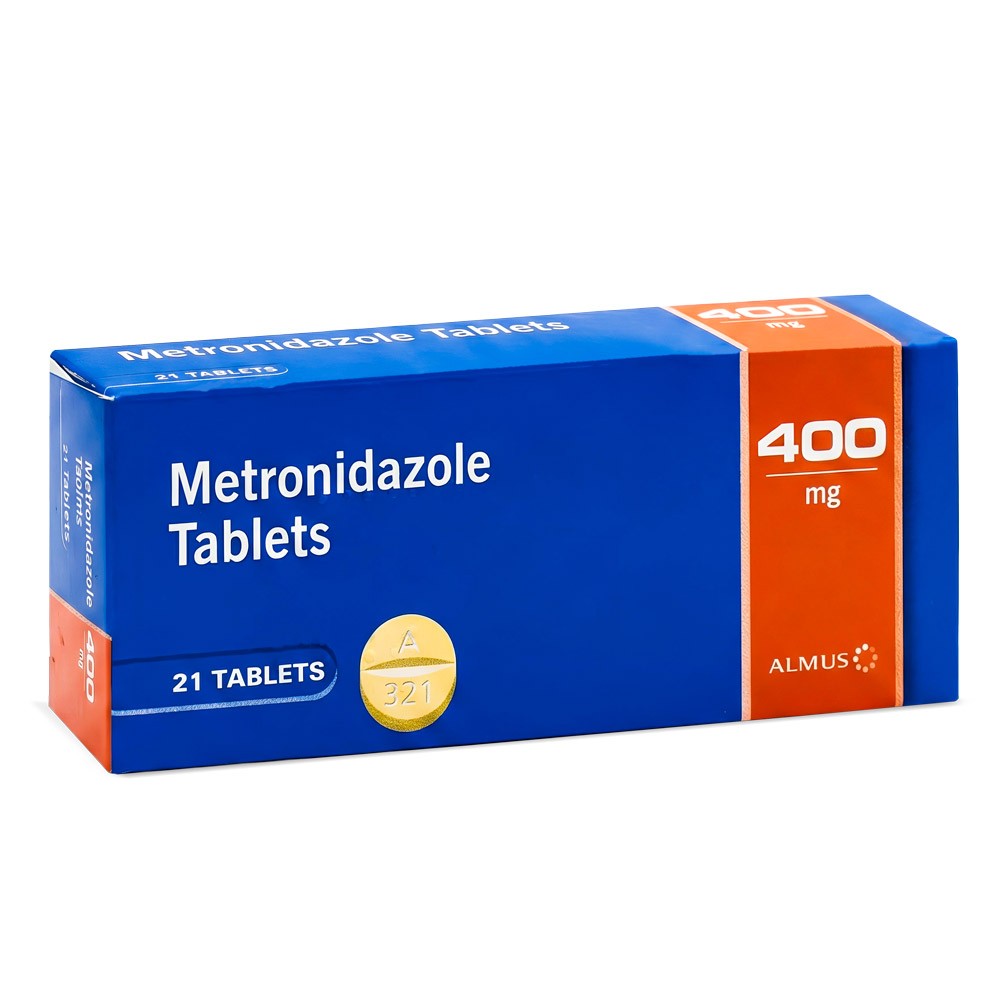 Tablet
Not sure which treatment is right for you? Our pharmacist will review your answers and may recommend an alternative based on your health profile. You're not committed until approved.
Frequently Asked Questions
Common questions about bacterial vaginosis and available treatments.
Related guides
Reviewed by our pharmacy team before publication.