Rosacea
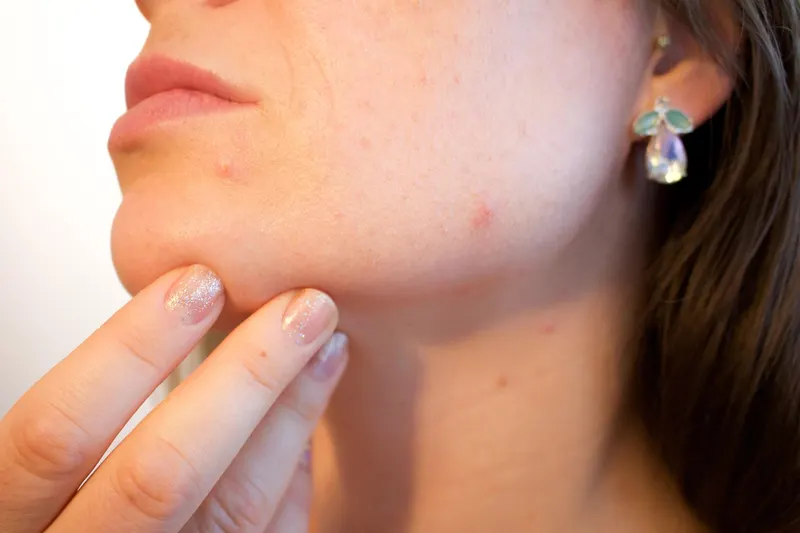
It commonly affects the cheeks, nose, forehead, and chin. Although there is no permanent cure, symptoms can be well-controlled with medical treatment, skincare, and lifestyle adjustments.
Medically reviewed by Muhammad Abdul Jalil, Superintendent Pharmacist · GPhC Reg No: 2236161
Last reviewed
Overview
Rosacea is a long-term skin condition that mainly affects the face. It causes redness, visible blood vessels, and sometimes small pus-filled bumps. It tends to flare up periodically.
Understanding Rosacea
Rosacea tends to develop gradually and can worsen if untreated. Most individuals notice symptoms after age 30. Women are more commonly affected, though men often experience more severe cases.
Treatment & Prevention
Topical treatments: Metronidazole or azelaic acid: reduce redness, inflammation, and bumps. Oral treatments: Efracea: low-dose doxycycline for inflammatory lesions.
Select Your Treatment
Choose a treatment below then start your consultation. Our pharmacist will review and approve.
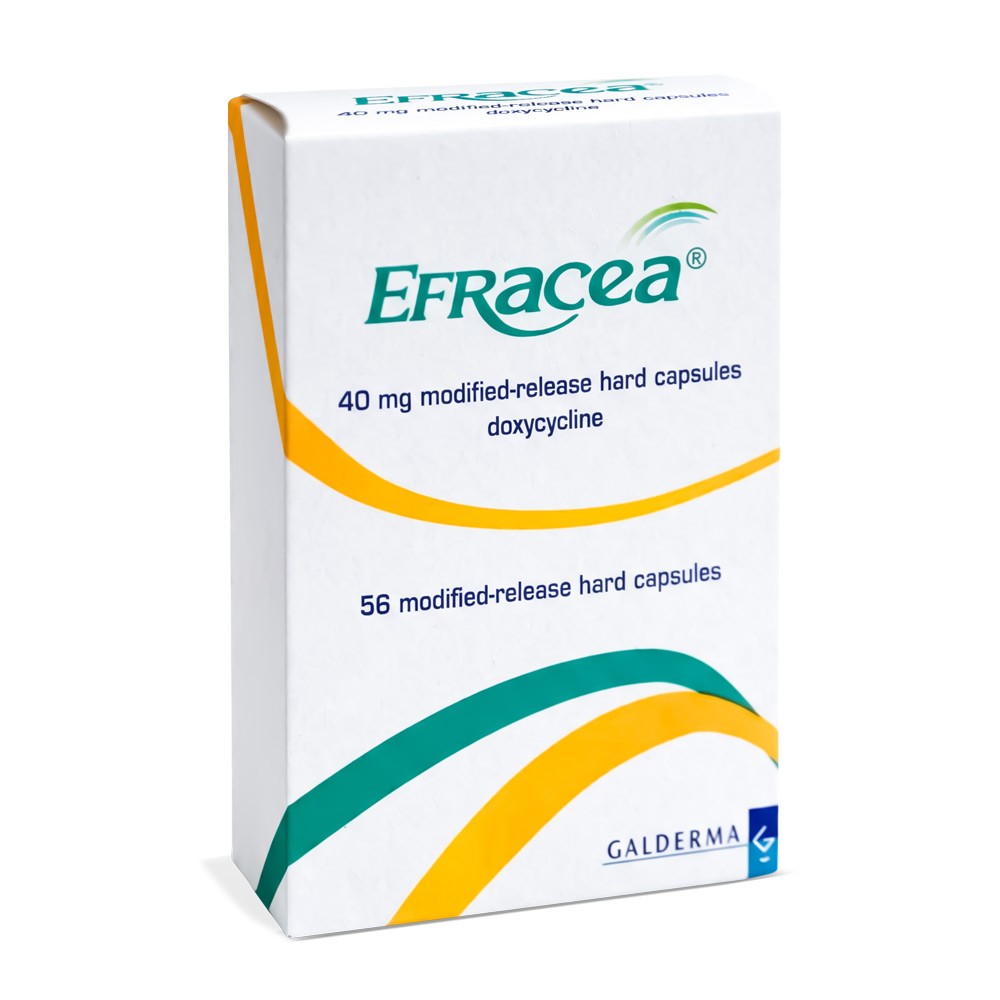 Capsule
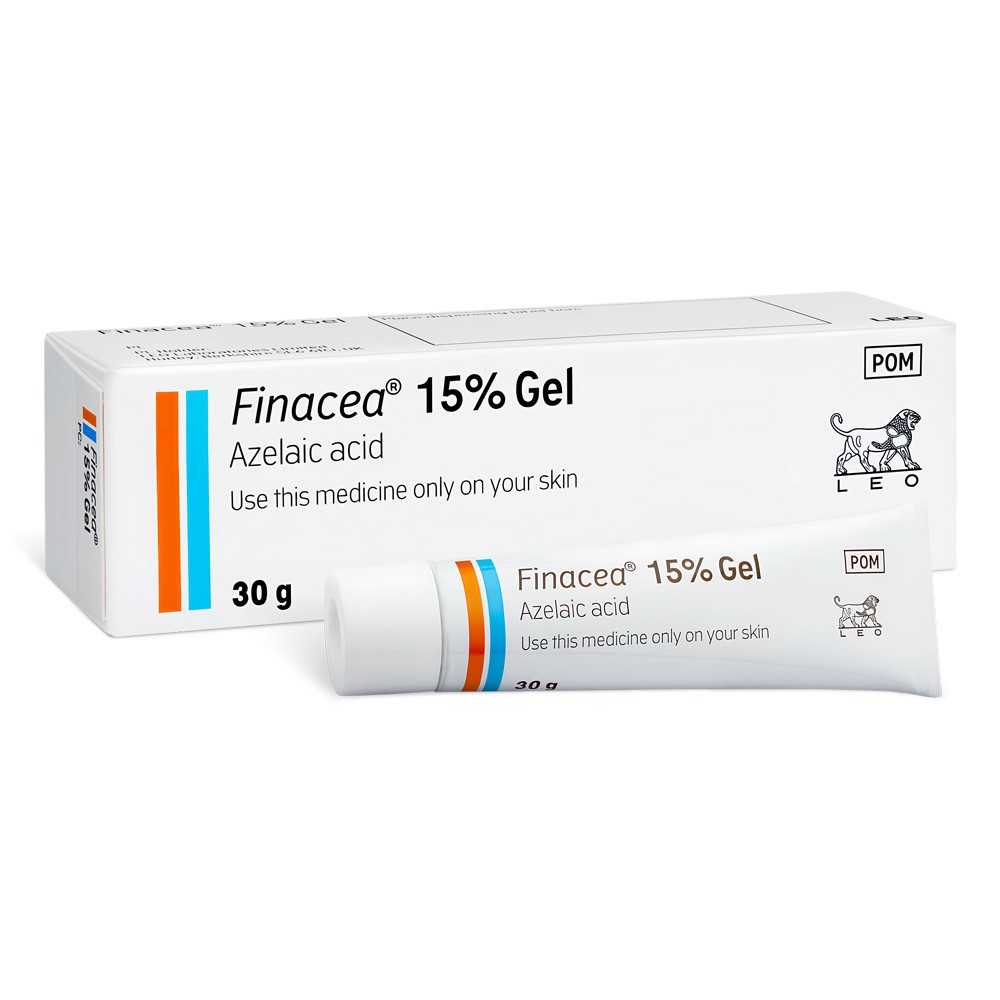 Gel
Gel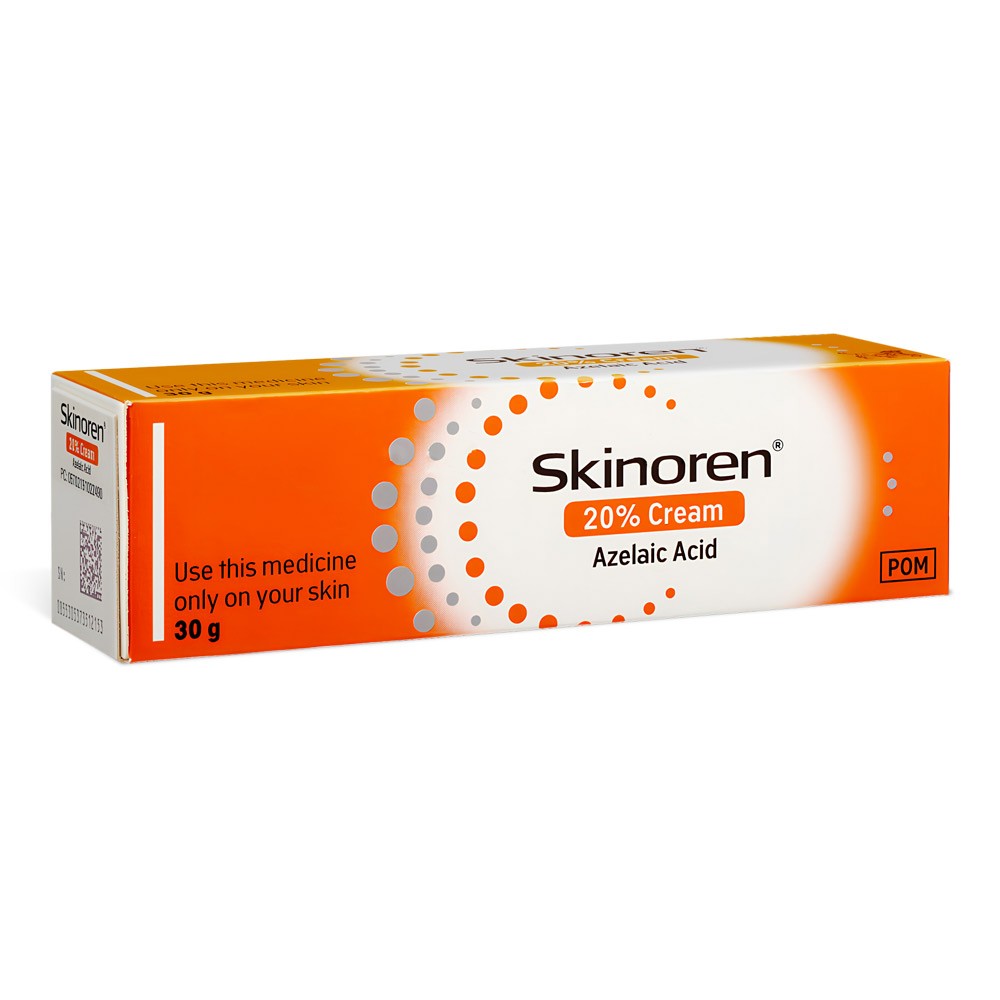 Cream
CreamNot sure which treatment is right for you? Our pharmacist will review your answers and may recommend an alternative based on your health profile. You're not committed until approved.
Frequently Asked Questions
Common questions about rosacea and available treatments.
Related guides
Reviewed by our pharmacy team before publication.